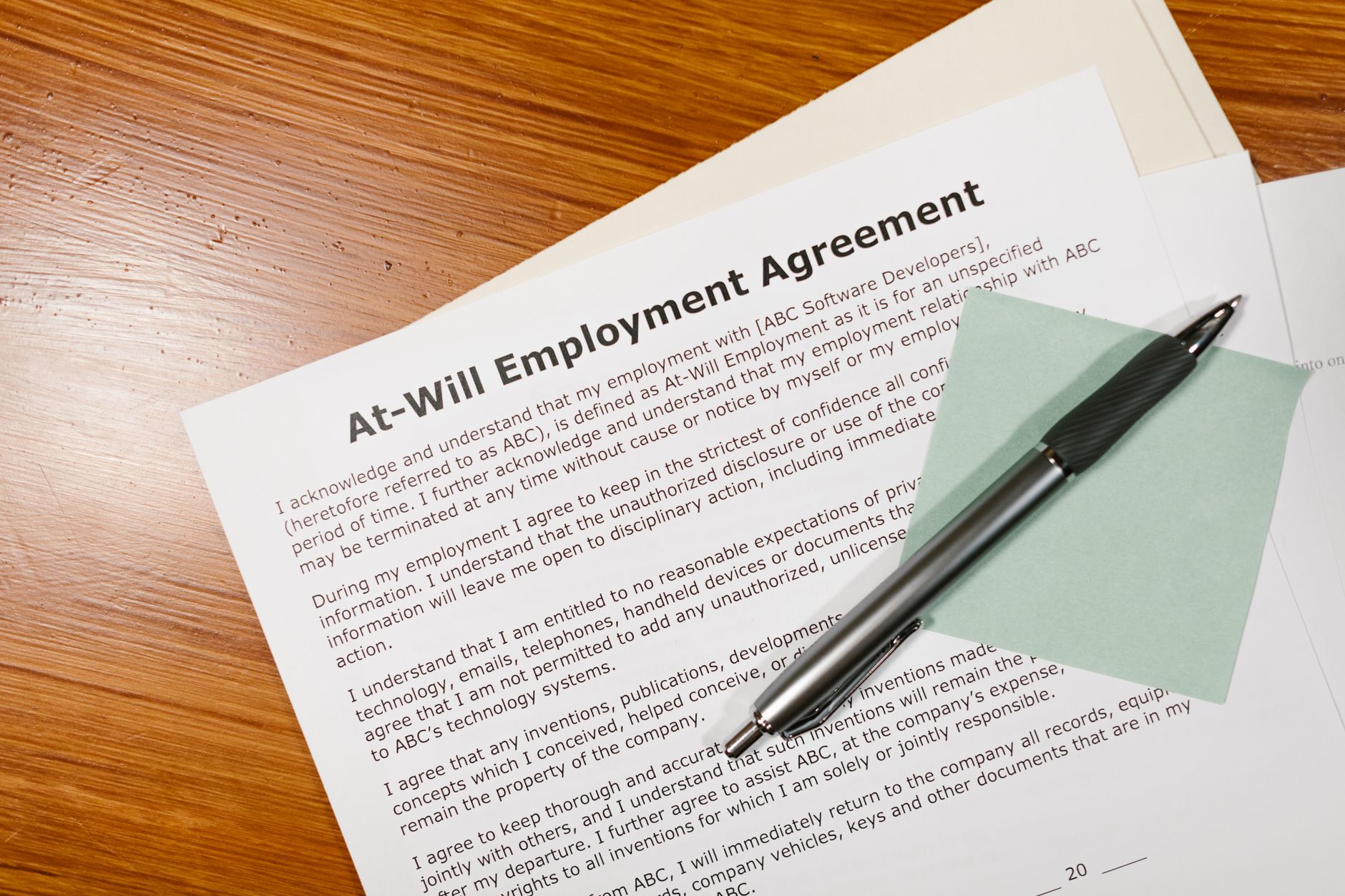
Understanding the National Labor Relations Act for HR Professionals
The National Labor Relations Act (NLRA), enacted in 1935, is a cornerstone of labor law in the United States. It plays a critical role in the relationship between employers and employees, particularly in the context of unionization and collective bargaining. For HR professionals, understanding the nuances of this act is crucial for ensuring compliance, fostering a collaborative workplace environment, and mitigating potential legal risks.
Overview of the National Labor Relations Act
The NLRA provides employees with the right to organize, join unions, and engage in collective bargaining. This legislation aims to protect the interests of employees and maintain fair labor practices. The act is overseen by the National Labor Relations Board (NLRB), an independent federal agency that enforces the provisions of the NLRA.
Key Provisions of the NLRA
- Section 7 Rights: Employees have the right to engage in concerted activities for mutual aid or protection, which includes forming, joining, or assisting labor organizations.
- Unfair Labor Practices: The NLRA prohibits employers from engaging in practices that interfere with employees' rights, such as discouraging union membership or retaliating against employees who engage in collective actions.
- Collective Bargaining: The act mandates that employers engage in good faith negotiations with recognized unions representing their employees.
The Importance of Compliance for HR Professionals
For HR professionals, compliance with the NLRA is not merely a legal obligation; it is essential for fostering a positive workplace culture and employee engagement. Understanding the implications of the act can help HR teams navigate complex situations involving employee relations and union activity.
Creating a Compliant Workplace
- Training and Development: Regular training for HR personnel and management on the NLRA can prevent unintentional violations and promote a culture of compliance.
- Open Communication: Encourage open lines of communication between management and employees to address concerns before they escalate into potential disputes.
- Policy Reviews: Regularly review and update company policies to ensure they align with NLRA provisions and reflect a commitment to fair labor practices.
Leveraging Technology for Compliance
In today's digital age, leveraging technology can significantly aid HR professionals in maintaining compliance with labor laws. Modern recruiting platforms, such as SnapRecruit, offer tools that streamline sourcing and applicant tracking system (ATS) workflows. By utilizing AI-driven candidate matching, HR teams can not only enhance their recruiting efficiency but also ensure they are hiring candidates aligned with their compliance standards.
Conclusion
Understanding the National Labor Relations Act is vital for HR professionals in creating a compliant, equitable, and engaging workplace. By prioritizing training, communication, and technology, HR teams can better navigate the complexities of labor relations. To enhance your recruitment process, consider integrating SnapRecruit into your hiring strategy. Employers and recruiters can post jobs and utilize AI-driven candidate matching to drastically reduce their time-to-hire.
Ready for your next career move?
Search millions of active listings and find your dream job.
Find Compliance & Legal Jobs


In Dallas Fort Worth
All job seekers welcome!


